The Katsina Aliyos Consultancy Trade Promoters Cooperative Society Limited, in collaboration with the Association of Local Governments of Nigeria (ALGON) Katsina State Chapter, and with the support of the Ministry of Local Government and Emirates Affairs, has organized the 3rd Katsina State Annual Farmers’ Field Day 2025.
Hikaya Newspaper reports that the event, held under the theme “Improving Agriculture for Food Security and Economic Growth under Governor Dikko Umar Radda’s Administration,” brought together farmers, agricultural stakeholders, and government representatives to discuss and promote innovations in the agricultural sector.

In his address, Alhaji Aliyu Lurwanu, Chairman of Katsina Aliyos Consultancy Trade Promoters Cooperative Society Limited, commended the Katsina State Government for its continuous efforts in transforming agriculture.
He stated that the initiative aims to distribute improved seeds to farmers across the 34 Local Government Areas of the state to enhance productivity and ensure the cultivation of high-yield crops. According to him, the program also facilitates the exchange of quality seeds among participating farmers, thereby promoting knowledge sharing and sustainable agricultural practices.
Alhaji Lurwanu further noted that the partnership between the cooperative society and the state government seeks to empower rural farmers, reduce poverty, and strengthen food self-sufficiency in Katsina State. He emphasized that with improved access to high-quality seeds, training, and modern farming techniques, farmers can significantly boost both dry and wet season farming.
Speaking on behalf of the Commissioner for Local Government and Chieftaincy Affairs, Shehu Sani applauded the Katsina Aliyos Consultancy Trade Promoters Cooperative Society Limited for its remarkable contribution toward advancing agriculture and trade development.
He highlighted the vital role of public-private partnerships in driving agricultural growth and reiterated the ministry’s commitment to supporting programs that enhance farmers’ livelihoods and promote food sustainability across the state.
Also speaking at the event, the Vice Chairman of Bindawa Local Government, Hon. Lawal Jari Tama, who represented the Council Chairman, welcomed participants to the occasion held at the Local Government Secretariat on Thursday, November 13, 2025.
He described the event as a significant platform for showcasing improved crop varieties and educating farmers on best agricultural practices. Hon. Tama commended Governor Radda’s administration for prioritizing agriculture as a key driver of economic growth and pledged continued collaboration to improve both wet and dry season farming activities.

Delivering a paper presentation titled “Harnessing Agricultural Potentials of Katsina State for Food Security under Governor Dikko Umar Radda,” Dr. Samaila Balarabe, a lecturer from the Department of Mass Communication at Hassan Usman Katsina Polytechnic, emphasized that food insecurity remains a pressing global issue, particularly in developing countries like Nigeria. He noted that since Katsina is an agrarian state, ensuring food security must remain a top government priority.
Dr. Balarabe further outlined strategies for leveraging the state’s agricultural potential to boost food security, reduce poverty, and create economic opportunities. He highlighted Governor Radda’s key agricultural policies, innovative initiatives, and collaborative partnerships as crucial steps toward achieving lasting food sufficiency in the state. The paper also detailed topics such as the state’s agricultural potential, major challenges, innovation and collaboration for food security, and farmers’ roles in sustaining agricultural development.
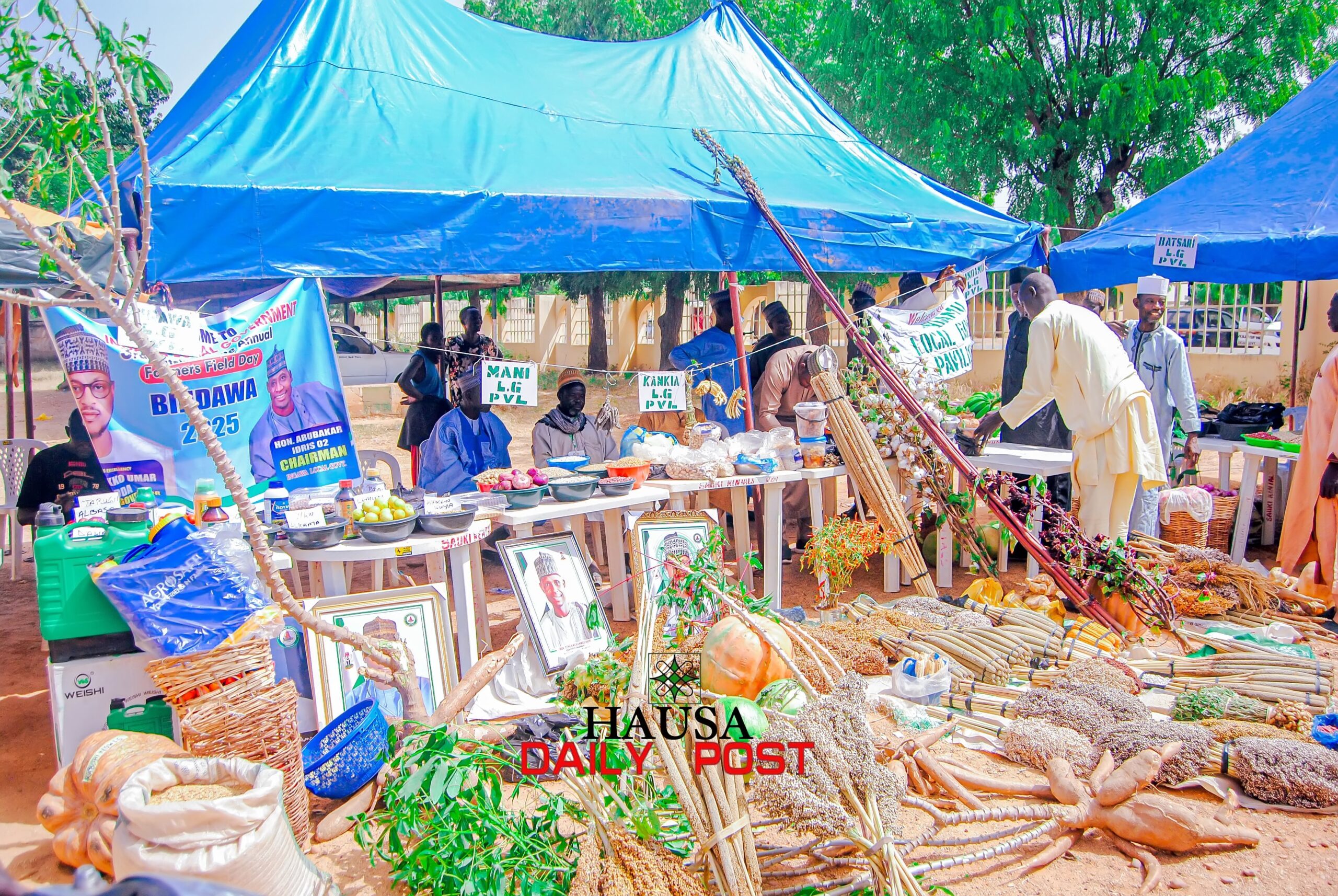
Additionally, participants received a Hausa-written article published by the Katsina Aliyos Consultancy Trade Promoters Cooperative Society Limited titled “Alfanun Rogo ga Manoma da Masu Sarrafa shi” (“The Benefits of Cassava for Farmers and Processors”). The piece educated attendees on cassava cultivation, maintenance, harvesting, and economic value, highlighting its vast potential as a profitable crop in Northern Nigeria.